
Updated 14 January 2016
|
|
Updated 14 January 2016 |
|
HOME PAGES GLOBAL WARMING WHAT YOU CAN DO GREEN ISSUES BACKGROUND THE INITIATIVE |
The Role of Nuclear Fission Power Stations: Pros, Cons and UK status After an introduction, we briefly describe how nuclear power works and its current status world-wide and in the UK. The complex issues and problems raised by using nuclear fission to generate electricity are discussed, first the arguments in favour of building new nuclear power stations in the UK and elsewhere, then the serious concerns that make nuclear power more controversial than other options. Finally, the current situation in the United Kingdom regarding construction of new nuclear power stations is summarised. Some useful sources of further information are listed at the bottom of the page. The very different concepts and situation regarding nuclear fusion are discussed on our green energy page. Introduction to Nuclear Fission Electricity Generation 
A new generation of nuclear fission power stations is planned in the UK in response to the retirement of existing nuclear power stations. Nuclear fission in its present form is not a renewable energy source, since it uses uranium and does not generate more fuel from its nuclear reactions. No greenhouse gases are produced in the electricity generating phase, but building the power stations, preparing the nuclear fuel, decommissioning old power stations, and storing the radioactive waste does generate some carbon dioxide. Considered over all, it is therefore a low-carbon, not a no-carbon, technology. The energy comes from the reduction in mass when certain very heavy atoms are split to form different chemical elements. This mass is converted to energy according to Einstein’s famous law E = mc2. The energy generated from a very small amount of fuel is enormous, so although the fuel is very expensive to produce the total cost of fuel is relatively low. The main costs are the construction of the power stations and later decommissioning them, as well as dealing with the radioactive waste. At present about one-sixth of the UK’s electricity is generated by British nuclear power stations, but with only one exception (Sizewell B, at left) they are old and will soon have to be phased out. A new generation of reactors has been proposed. However, the use of nuclear fission reactors to generate electricity raises much broader and more controversial issues than other technologies, so opinions are strongly polarised. The need to replace existing nuclear power stations quite soon, if they are to be replaced at all, adds urgency to this discussion. The main arguments for renewing the use of nuclear power:

The counter-arguments at the practical level:
The broader issues that worry many people:

The energy produced by nuclear fission is an established source for generating electricity. The fission produces heat, and in a nuclear reactor the heat is transferred to steam which drives turbines to generate electricity. At present, the atom that is split is usually a fairly rare isotope of uranium (uranium-235, which has 92 protons and 143 neutrons in its nucleus); the artificially created element plutonium can also be used. It is also possible to use a nuclear reactor to convert the more common isotope of uranium (uranium-238, which instead has 146 neutrons) into fuel, and this would make the cycle renewable. However, such breeder reactors are not a mature technology. This is despite substantial development programmes – virtually all of which have now been terminated. Another future possibility is to obtain nuclear fuel from thorium, which is more abundant than uranium and may have other advantages – we discuss thorium reactors below. The process of preparing the reactor fuel requires a great deal of energy, and generates carbon dioxide. Uranium fuel for nuclear reactors is mined (e.g. in Australia and Canada), and the ore contains only a very small fraction of uranium (about 1% at best). The mines themselves are hazardous, containing toxic materials and radioactive radon gas. Extracting and purifying the uranium is a relatively dirty process. Then the natural concentration of uranium-235, which is only 0.7%, must be increased. This enrichment process is very difficult, because uranium-235 and 238 are essentially identical chemically. The original gaseous diffusion method used huge amounts of energy, but it has now been replaced by the use of large numbers of very big and sophisticated gas centrifuges which consume much less energy. After some enrichment, typically to 3–5% uranium-235, the uranium can be used to fuel reactors. After much more enrichment, usually to more than 85%, it can be used to make nuclear fission bombs, more often called atomic bombs. Atomic bombs can also be made using plutonium-239, an element which does not occur in nature – it is manufactured in nuclear reactors. (The even more powerful thermonuclear, or hydrogen, bombs are based on nuclear fusion but require fission bombs as a trigger.) Fission and chain reactions In nuclear fission the uranium-235 (or plutonium-239) nuclei are bombarded by neutrons, and split into two lighter nuclei, as in the upper picture at right. In addition to these lighter nuclei, more neutrons are released, typically an average of 2.5. The total mass of the two lighter nuclei plus the neutrons is less than the total mass of the uranium nucleus, and the difference is converted to energy according to Einstein’s law. In a nuclear reactor this energy is converted to heat, and is transferred to the reactor’s working fluid, usually water, which is then used to produce steam. Weight for weight, the energy produced from fuel in this way is millions of times more than from burning a fossil fuel. 
What makes nuclear fission special in uranium-235 and plutonium is their ability to sustain a chain reaction, as in the lower picture at right. Some of the neutrons produced will impact with other nuclei and induce further fission reactions, releasing yet more neutrons. If enough uranium-235 or plutonium-239 is assembled in one place then these freshly generated neutrons outnumber neutrons that escape, and a sustained nuclear reaction will occur. An assembly that allows such a sustained chain reaction is called a critical assembly or critical mass. In a nuclear reactor, chain reactions are initiated, controlled and sustained at a steady rate, regulated by control rods that can absorb excess neutrons. However, in a nuclear fission bomb the chain reaction occurs in a fraction of a second and is uncontrolled, causing an explosion. The chain reaction in current reactors cannot trigger a full nuclear explosion because they are constructed in a completely different way from a nuclear weapon, and also the uranium is not highly enriched – even if the fission reactions in a reactor were to go out of control, the reactor assembly would melt (which would still be extremely serious) rather than cause a nuclear explosion. At present, all operating power reactors are so-called thermal reactors. In a thermal reactor the high-energy neutrons produced in fission are slowed down by collisions with the light atoms of a moderator such as water, or sometimes graphite, to speeds where they are more likely to be captured by a uranium-235 or plutonium-239 nucleus. This means that only a relatively small fraction of the fuel needs to be fissile material (uranium-235 or plutonium-239). In contrast, the chain reaction in a fast reactor is sustained by fast neutrons. No neutron moderator is needed, but the fuel must be richer in fissile material than in a thermal reactor. Nuclear reactors produce waste that remains radioactive for an extremely long time, and what to do with it is one of the most serious and still unresolved issues surrounding nuclear power. Decommissioning old power stations at the end of their working lifetimes is a long, difficult, and expensive process. Both dealing with the waste and decommissioning generate some carbon dioxide. For the long-term future, another possible way to generate energy is by using nuclear fusion, a process that combines light atoms. (The Sun’s energy comes from fusion.) This would avoid some of the major problems of nuclear fission, and is described on our green energy page. Nuclear power reactors are used to generate roughly 10% of the world’s electricity (it was 17% in 1993), and currently there are about 388 reactors operating in 31 countries. The most notable is perhaps France, where 58 reactors produce about 75% of the electricity. The US generates more than any other country, nearly twice as much as France, but it’s a far smaller fraction of their total electricity. Japan was third until the Fukushima disaster. However, few new nuclear power stations have been built since the Three Mile Island accident in 1979 and the much more serious Chernobyl accident in 1986. The first two reactors to be ordered in western Europe since then are currently under construction in Finland and France. Some countries have rejected all use of nuclear power, while others have a revived interest in order to reduce dependence on imported fossil fuel and reduce their carbon dioxide emissions. World-wide, there are currently about 65 nuclear reactors under construction in 14 countries, the majority in China, Russia and India. However, after the Fukushima disaster in 2011 some countries, including Germany, Italy and Switzerland, decided to run down their nuclear power facilities and cancel all future projects. 
The UK was the first country to use nuclear reactors to generate electricity commercially, in 1956 using the Calder Hall reactor at Windscale (now called Sellafield), pictured at left. However, illustrating the broader issues surrounding nuclear power, the primary use of the first power-generating reactors was to manufacture plutonium for nuclear weapons, with electric power generation as a by-product. There are currently 16 functioning nuclear reactors at 9 sites in the UK, all but two of which are due to be retired by 2024. The oldest is the last of the Magnox design; it was commissioned in 1971 and will be closed in 2015. Fourteen are Advanced Gas-cooled Reactors (AGRs), commissioned between 1976 and 1989 and due to close between 2014 and 2028; their operator (EDF Energy) has been applying to extend their lifetimes by an average of seven years due to long delays in building new reactors (see current UK situation, below). Finally, there is a Pressurised Water Reactor (PWR), Sizewell B, commissioned in 1995 and due to be turned off in 2035, but which might be extended by up to 20 years. All but the Magnox reactor were being run by British Energy, a company originally owned by the British government and which had a rocky financial history; in 2009 it was taken over by EDF Energy, which is 85% owned by the French government. In the past few years these reactors have been generating between 15% and 18% of all the electricity used in the UK. A further 3% of UK electricity is imported from France and is mainly nuclear-generated. Four of the AGRs did not operate from late 2007 to early 2009 due to corrosion problems, now repaired at considerable expense. Four others are limited to 70% of their rated output. Sizewell B, the most modern, was off for nearly a year in 2010 and early 2011 due to technical problems. Obtaining design approval for a new type of reactor, getting planning approval for a site, and then constructing a nuclear power station now takes something like 10–15 years, even when all goes smoothly. If new reactors for the UK do get built, it looks as if the first could only be ready by about 2025 at the earliest. The big question is whether a new generation of nuclear power stations is the right way forward or not. Arguments in Favour of New Nuclear Power Stations 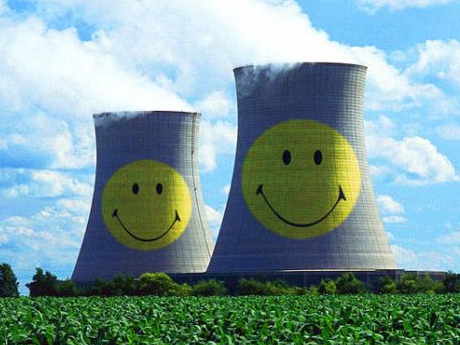
Nuclear power is being promoted in the UK as a carbon-free method of electricity generation. As already mentioned above, this is only true for the production phase, not the construction, fuel preparation, waste disposal and decommissioning operations. Also, as better-quality uranium ore runs out, it will take more energy and chemical processing to purify the uranium, and this will probably produce more carbon dioxide. However, the total carbon dioxide emissions over the full nuclear power life-cycle should remain well below those of generation using fossil fuels. The need for always-available power generation, replacing existing facilities Two of the main renewable technologies now being used, wind and solar power, have the obvious problem that they only work some of the time. The amount of wind is variable. Solar power works only in daylight, and varies with the seasons and whether or not it’s sunny. Other possibilities for the future such as tidal power also have time constraints. At present we don’t have a good way to store electrical energy until it is needed, and our existing storage facilities, such as the pumped-storage hydro-electricity facilities at Dinorwig in Wales and Cruachan in Scotland, are very small. Nuclear power, on the other hand, is a low-carbon energy source that works best when it is always on, providing the electrical base-load. (In France, where most electricity is nuclear-generated, the problem is the opposite – nuclear reactors work best when running flat-out, but some of the reactors must vary their outputs to follow the load. This is inefficient and expensive.) As already mentioned, all but two of the UK’s nuclear power reactors are due to be closed down by 2024. The government proposes to replace them with a new generation of reactors. Even more new reactors would be needed if they were also to replace some of the UK’s dirtiest power stations, which burn coal. The stated goal is to use nuclear fission as a low-carbon energy source for the relatively short-term, with the hope that renewable technologies (described on our green energy page) such as more advanced solar power, tidal power, biomass, or fusion will develop and later be able to take their place. People arguing against using nuclear power point out that the nuclear share of UK electricity is relatively small. If more renewable energy using a variety of sources is combined with a serious programme of energy efficiency measures and a more sophisticated electricity grid, the demand for electricity might be met without needing a nuclear power contribution to the base load, and at the same time reducing fossil-fuel generation. There is also a serious problem of timescale, since on current plans all or most of the replacement reactors would not be ready until well after the existing ones are shut down. There is more on the current UK situation below. North Sea oil and gas are running out, so the UK’s fortunate position regarding fossil-fuel resources is ending. The cleanest fossil-fuel technology for electricity generation is currently gas, which is now widely used in the UK to generate electricity. A large proportion of European gas reserves are in Russia and other less stable countries, which might decide to raise prices and/or limit supplies – this has already become a serious concern elsewhere in Europe. The present government is pinning its hopes on future supplies of shale gas, obtained by hydraulic fracturing (‘fracking’). However, even if this does produce abundant gas supplies, it is widely accepted that burning all available fossil fuels will almost certainly lead to catastrophic climate change. For nuclear power, the UK has all parts of the chain for producing the fuel and processing the waste except for raw uranium supplies, the main sources of which are Canada and Australia, There is enough uranium to provide power for much of the 21st century, but this depends on the extent to which other countries also take up nuclear power. If uranium has to be obtained from ores or sea water where it is in much lower concentrations, the energy to extract it may approach the energy released when it is used, so the long-term future of fission reactors fuelled in this way is doubtful. The use of breeder reactors to produce plutonium-239 reactor fuel from the more abundant isotope uranium-238 would make the nuclear fuel cycle renewable, but that raises difficult problems of safety, and other dangers including nuclear weapons proliferation. The UK, France, and the US have all terminated their breeder reactor development programmes due to a combination of these problems and a lack of demand. Another possibility is reactors based on the more abundant element thorium. These options are discussed in the next section. New reactor designs: generation III+ Most currently operating reactors are classed as Generation II, to distinguish them from early designs such as Magnox in the UK. These typically generate between 600 and 1300 megawatts each. Various newer Generation III designs, including the ABWR now being proposed by Hitachi-General Electric for Wylfa Newydd and Oldbury in the UK, were produced in order to improve efficiency and safety, generate less waste, and to lower costs. However, due to the lack of orders after Chernobyl, few Generation III reactors were built. More recent designs with further improvements are called Generation III+. These include the two EPRs currently being proposed by EDF Energy for Hinkley Point and perhaps two more at Sizewell, and the AP1000 now being proposed by Nugen (Toshiba/GDF Suez) for the new Moorside site near Sellafield. 
The EPR (originally called European Pressurised Reactor in Europe and Evolutionary Power Reactor elsewhere) is a 1600 megawatt pressurised-water design by the French nuclear engineering firm Areva, which is 80% government-owned. The EPR is claimed to be safer (including a double-walled containment structure), to use fuel more efficiently, and to minimise downtime for maintenance. So far no EPRs are in operation, so their performance is not yet proven. The two currently being built, in Olkiluoto, Finland (photo) and Flamanville, France, are the first reactors ordered in western Europe since the Chernobyl disaster in 1986. Their construction is running catastrophically late and far over budget, as discussed below. Two more EPRs, uprated to 1750 megawatts, are being built in Taishan, China. There won’t be any more – China has opted mainly for the AP1000. France planned to replace its 58 existing reactors with about 40 EPRs, starting in 2020. However, post-Fukushima the present French government is less keen on nuclear power and the status of the renewal programme is not clear. There were plans to build several EPRs in the US, but they have been dropped due to their high cost. The EPR finally passed the UK’s generic design approval procedure in December 2012, after five years of work and some design changes to take into account safety issues, including post-Fukushima. The Health and Safety Executive raised questions about the EPR’s control and instrumentation systems as well as other items, and worked together with the Finnish regulator which had similar points regarding the Olkiluoto reactor. The major issue concerned making the reactor protection system fully independent of the normal operating controls. EDF appears to have given up on trying to sell the EPR to new buyers, so the ones proposed for the UK look like being the last of the few to be built. In the US, the Generation III+ designs are the 1100 megawatt AP1000 (by Westinghouse, which was previously owned by British Nuclear Fuels and then sold to Toshiba), and the 1500 megawatt ESBWR (Economic Simplified Boiling Water Reactor, by Hitachi-General Electric). The AP1000 improves safety by making more of the systems passive and fail-safe. However, critics say that the containment is less robust in order to cut costs, and there is less redundancy in the safety systems than in previous designs, so it is not clear whether they really would be safer. So far, the AP1000 is the only new design to have obtained generic design approval in the US. The first four AP1000s in the world are being built in China, at Sanmen and Haiyang. Completion has been delayed by about two years to 2016. Four more were started in 2013 in the US, and they have been delayed by well over three years to start up in 2020 at best. Costs have also risen by up to 50%. There are plans for six more in the US, while proposals for four others have been suspended. They will be the first new reactors in the US since the Three Mile Island accident. Proposals to build ESBWRs in the US seem to be on hold. Cheap shale gas combined with the high cost of reactors and more opposition to them since Fukushima have led to quite a few US reactor proposals being suspended or cancelled. The AP1000 had been going through UK generic design approval for the Horizon proposal by E.ON and RWE for Wylfa Newydd and Oldbury. The Health and Safety Executive raised points related to the AP1000’s civil and mechanical engineering, structural integrity, and many other safety-related issues. There were more unresolved serious points than with the EPR. However, in 2012 E.ON and RWE withdrew their proposals to build reactors in the UK and sold their Horizon consortium to Hitachi. Hitachi proposes to use the Advanced Boiling Water Reactor (ABWR), an existing 1350 megawatt Generation III design with a poor reliability record in Japan (see below). However, the AP1000 reappeared with the Nugen consortium’s proposal to build three AP1000s at Moorside, so the AP1000 generic design approval process was re-opened early in 2015.
Future reactor designs: generation IV Generation IV reactors are futuristic designs still being researched – they could not be operational for a very long time due to the need for more research, followed by development of full industrial designs. The main aims are to improve safety, to make it difficult to use the fuel or waste for nuclear weapons, to minimise waste by ‘burning’ a larger fraction of the fissile fuel than current reactors, and to reduce the radioactive lifetime of the waste. Some designs would breed fuel, making them sustainable and thus avoiding the problem of uranium resources running out. Opponents of these long-term developments say that they are not a good use of money and effort. They feel that the nuclear option is best avoided because its problems can never be eliminated completely and nuclear technology has become very expensive, so longer-term research should concentrate on new cleaner, safer and renewable ways to generate energy. There are many proposals for advanced reactors, but even prototypes are at least a decade off. In 2015 the French Radiological Protection Agency (IRSN) reviewed these systems from the point of view of safety and radiation protection. They found only one possible technology that might be mature enough to produce even a prototype before 2050, and therefore concluded that Generation IV reactors could not be making a useful contribution to energy production until the second half of this century. In this section we single out two prominent Generation IV proposals. IFR Recently, a number of prominent scientists and commentators who had been opposed to nuclear power announced that they now think nuclear power should be widely used, because climate change appears to be happening more rapidly and with more serious effects than previously thought. In order to minimise the consequences, the use of coal must be phased out as quickly as possible. They believe that the problems associated with nuclear power are outweighed by the threats posed by carbon dioxide. The Generation IV reactor design called the Integral Fast Reactor (IFR), also known as the Advanced Liquid-Metal Reactor, is seen by some as the most favoured solution. The IFR would be a fast reactor – unlike reactors in use now, the neutrons are not slowed down by a moderator. The fuel is an alloy of uranium and plutonium, and cooling is by liquid sodium. After an initial load of conventional uranium fuel the waste would be reprocessed, ideally on-site (hence ‘integral’), using a new type of reprocessing to extract uranium and plutonium that have been bred inside the reactor in order to provide subsequent fuel loads. This fuel would also include many of the longer-lived waste products, so the residual waste would be much shorter-lived and less dangerous than waste from present-day reactors. Fuel could also include waste from conventional reactors, and from existing stockpiles of plutonium. Thus the inefficient once-through fuel cycle of conventional reactors, and the problem of dwindling uranium resources, would be avoided. The fuel cycle is designed to make extraction of uranium or plutonium in a form useful for nuclear weapons very difficult, and the on-site reprocessing would minimise the transport of large quantities of radioactive waste or nuclear fuel. Critics point out that this very impressive-sounding list of IFR features has flaws. The concept has never been tried – a prototype IFR was under construction in the US, but the programme was cancelled in 1994, three years before completion. Using liquid sodium as the coolant is highly problematic because it is very reactive chemically – if it comes into contact with air it burns, and with water it explodes. A number of fast reactors in the US, UK, France, etc. tried to use sodium cooling, but there were numerous problems with leaks and reliability, and all are now shut down. The new form of pyro-reprocessing required by the fuel cycle has never been tested. On nuclear weapons proliferation, the plutonium used in the IFR could make working but inefficient nuclear bombs, and the operation of such a reactor could be changed to produce plutonium that would work well in nuclear weapons. The costs of the reactor, reprocessing plant and fuel all seem to be very high. Finally, the first prototype IFRs could not be operating until perhaps the late 2020s at the earliest, and useful full-scale designs would not follow for at least a decade and probably longer after that. 
In addition to uranium and plutonium, thorium is another element that can be used as a nuclear fuel. It is roughly three times more abundant than uranium, and the deposits are easier to mine and process as they are more concentrated. Countries with very large thorium deposits include India, the USA, Australia, Brazil, Venezuela and Turkey. Unlike uranium, which has to be enriched to increase the concentration of the fissile uranium-235, natural thorium consists almost entirely of one isotope, thorium-232 (90 protons and 142 neutrons), and does not need enrichment – a major point in favour of thorium. Thorium-232 itself is not fissile, but it can absorb a slow neutron to produce (via two beta decays) the fissile isotope uranium-233, and this is the material used to produce energy. To start the process some uranium-233, uranium-235 or plutonium-239 is needed, but once started it can be self-sustaining. A claimed advantage of thorium reactors is that there is far less long-lived radioactive waste than from uranium. This would greatly reduce the size, cost and required lifetime of storage facilities for the waste. Another claimed advantage of thorium reactors is that it would be quite difficult to use their uranium-233 to produce nuclear weapons. The main reason is that along with uranium-233 some uranium-232 is produced, and its decay chain produces strong gamma radiation which not only makes handling very difficult, but also makes it harder to do in a clandestine way. However, some critics say that this advantage may be overstated and that there may be feasible methods for making bombs using thorium reactors. In addition, the gamma radiation also makes routine processing of separated uranium-233 much more difficult than for uranium-235, as remote handling in heavily shielded facilities is required. Proposals for using thorium include various types of reactors. The quickest to implement would be to use solid-fuel reactors similar to those used at present with uranium. However, the fuel fabrication and waste handling still have technical difficulties to overcome, and would need further research and development. So even fairly conventional thorium reactors probably could not be available for at least 10–15 years, and more advanced designs would take far longer. India, having large deposits of thorium ore but little uranium, has the most well-established thorium research and development programme. It has been using some thorium in its two Kakrapar pressurised heavy-water reactors. More advanced proposals tend to use thorium in reactors that breed nuclear fuel. A big advantage over uranium is that thorium does not need to use fast neutrons. Reactors using liquid fuel may be promising: an example is the Liquid Fluoride Thorium Reactor (LFTR), also called the Molten Salt Reactor (MSR). This is an advanced breeder reactor concept in which the core is uranium-233 surrounded by a thorium blanket. Both the core and blanket are liquids at atmospheric pressure, which means that a pressure vessel and concrete containment are not needed. The liquids cool the reactor. Uranium-233 is bred in the thorium blanket and continuously removed to add to the core. Manufacturing the fuel and processing the waste might be easier in such a liquid-fuel reactor. Enthusiasts for thorium nuclear power claim that it offers a truly sustainable and abundant energy source. However, advanced types of thorium reactors need to go through considerable research and development before even a demonstration phase is possible, and therefore must be decades off even if problems can be overcome. To learn more, we suggest an article in favour from the World Nuclear Association, a more sceptical report from the UK National Nuclear Laboratory, and a very critical statement from the Union of Concerned Scientists in the US. Unlike electricity generation using fossil fuels, nuclear reactors require so little fuel that, despite the fuel being very difficult and expensive to produce, the cost of electricity is dependent mainly on the very high cost of construction, and the final decommissioning of the plant. There is also the cost of storing the radioactive residue. Fuel is only very roughly 10% of the cost of the electricity generated, unlike a gas-fired power station where it might be 80% or more. The cost of decommissioning nuclear reactors is enormous. For example, the estimated cost of decommissioning the current generation of British reactors rose to £73 billion from £53 billion within just two years, for a programme lasting about 130 years. 
The new nuclear power stations under construction in western Europe are two EPRs, being built by the firm Areva in Flamanville, France (photo) and Olkiluoto, Finland. The EPR is a new design that is claimed to be more efficient and safer than previous reactors. The EPR would be used for the new power stations proposed for the UK by EDF Energy. However, construction of these two EPRs has gone exceptionally badly. Olkiluoto has suffered a series of major delays. Originally scheduled to start up in 2009 after a four-year construction period, the most recent estimate is to start commissioning in 2016 but production only in 2018. In addition, the cost has risen from 3.0 to 8.5 billion euros. Areva’s partner in the project, Siemens, pulled out. It has also been criticised repeatedly by the Finnish nuclear safety regulator: first over problems with concrete, welds, and then its control system (also an issue with the UK Health and Safety Executive). Relations between Areva and the Finnish utility company have essentially broken down, with lawsuits and counter-lawsuits. Areva reportedly expects to lose 3.9 billion euros on this contract, and combined with losses on its waste reprocessing operations the company is in serious financial trouble. The French government has now formed a new company by merging EDF with Areva. The Flamanville reactor was begun in 2007, but again there were delays in construction due to safety issues with concrete and steel quality. The startup date slipped to 2017, and the estimated cost rose from 3.3 to 8.5 billion euros. These cost increases, for Olkiluoto and Flamanville meant that the price of the electricity they generate will be far higher than expected. (And they are not the end of the story.) Areva reacted by saying that these are teething problems with a new design. Construction of the two EPRs in Taishan, China began in 2009 and 2010. They were due to be completed in 2013 and 2014, respectively, but operation has been delayed to 2017 and 2018 at the earliest. Proposals to build EPRs in a number of other countries have failed (e.g. in the US), due to the cost being much higher than for competing designs, and so only a few will ever be built. Early in 2015 a new problem appeared at Flamanville. The top and bottom pieces of the pressure vessel were found to have been made incorrectly, with regions where the steel has too much carbon due to not making the castings correctly. This could weaken the steel, compromising safety. The pressure vessel has already been installed – getting it out (especially the bottom piece) and replacing it would be very difficult and might cost billions of euros. One option might even be to abandon construction of the reactor. Urgent tests are now being done to confirm whether or not the problem will require replacement of the faulty parts. Oddly enough, the earlier reactor at Olkiluoto doesn't have this problem because the parts in question were made at a different foundry than the ones for Flamanville. The problem seems also to affect at least some of the pieces for the two reactors being built in China. And although no final commitment has been made to proceed with Hinkley Point, it has been reported that the end pieces for its pressure vessels have already been made and are also faulty. In June 2015 multiple faults in cooling system safety valves were discovered at Flamanville. And in September 2015 EDF announced that the estimated costs had escalated to €10.5 billion, and the start-up of the reactor was delayed to the fourth quarter of 2018. The estimated construction cost of new EPRs for the UK was originally in the range £2.8 to £4.5 billion each. However, the estimate for the two reactors EDF Energy plans to build at Hinkley Point has now risen to £8 billion each, which would probably make them the most expensive power reactors ever built. Note that this price does not include the costs of finance (i.e. interest on borrowed capital), estimated to be over 50%, taking the total cost of the two reactors to £24.5 billion. To that the cost of storage of the nuclear waste and dismantling the reactors must be added. The current UK situation is summarised below. Safety of Nuclear Power Reactors Like air travel, nuclear reactor safety is tightly regulated, and incidents are investigated not just to apportion blame but in order to learn from them. And like comparing air travel to road accidents, an accident in a nuclear reactor will hit the headlines, but there are no headlines about the large number of people who die or whose health is damaged by pollution from the burning of fossil fuels. This overall perspective should be borne in mind when discussing the safety of nuclear power. Nuclear accidents range in magnitude from small leaks of radioactive material to the Chernobyl disaster in 1986. The industry is relatively safe – Chernobyl was the only accident in the past 50 years that caused significant loss of life. However, Chernobyl was extremely serious, and it is this small risk of a major disaster that mainly worries people. Two other serious accidents before Chernobyl were the Windscale fire in Cumbria in 1957, and Three Mile Island in the US in 1979. Twenty-five years after Chernobyl, the disaster at Fukushima in 2011 has again focused attention on the issue. At Windscale (now Sellafield) in 1957 the graphite core of a reactor used to produce plutonium for nuclear weapons caught fire and was destroyed, releasing large amounts of radioactive material. This was an early reactor with a faulty design, not used for producing electricity. The release of radioactive iodine-131 may have caused more than 200 additional thyroid cancers, most of them treatable. Lack of information, and dishonesty in the information available during and after the accident, contributed to public distrust and concern. The accident in the Three Mile Island power station in 1979 was caused by loss of coolant, due to inadequate instrumentation. The reactor core partially melted down. Despite this, there were no verified casualties and no evidence of anyone receiving large doses of radiation. It had a huge effect on public opinion, and a very large number of reactor orders in the US were cancelled. Cleaning up the damage took until 1993 and cost roughly $1 billion. 
The disaster in 1986 at Chernobyl in the Ukrainian Soviet Socialist Republic was the worst nuclear reactor accident in history (photo). A huge power excursion and the resulting steam explosion and fire spread radioactive contamination across a large area of Europe. The cause was operator errors combined with a reactor design that was unsafe – among other things there was no containment vessel. The radioactive plume drifted over the western Soviet Union, then northern Europe, even reaching the UK and Ireland. Large areas in Ukraine, Belarus, and Russia were badly contaminated. A zone of 30 km radius around the plant was cleared, resulting in the evacuation and permanent resettlement of about 220,000 people including 50,000 from the nearby town of Pripyat. This zone, including Pripyat, remains off-limits. The now-independent countries of Russia, Ukraine and Belarus have been burdened with the continuing and substantial decontamination and health care costs of the accident. A United Nations report in 2005 concluded that the death toll included the 47 workers who died of acute radiation syndrome and nine children who died from thyroid cancer. It estimated that there might be 4,000 extra cancer cases among the approximately 600,000 people most highly exposed, and 5,000 among the 6 million living nearby. However, there are also far higher estimates of the number of casualties, ranging up to hundreds of thousands of deaths from cancer. The differences in the estimates have not been resolved because most of these would be hidden as relatively small increases in cancer incidence among millions of people spread over much of Europe. A key issue in making such estimates is the effect of low doses of radiation, which is very difficult to ascertain and remains controversial. The disagreement concerns whether there is a threshold below which the damage caused by a low dose can be repaired by the body, or whether even very small doses are ultimately harmful. A careful, long-term, wide-ranging study would help to resolve the huge disagreements in the estimates of the effects of the Chernobyl accident, and also help to resolve the uncertainty about the effects of low-level radiation exposure. Unfortunately, such a study has not been done and if one goes ahead there will be many difficulties – it’s a long time since accident, and there are many complicating factors related to the break-up of Soviet Union and the psychological effects of Chernobyl. In the absence of accepted conclusions, the pro-nuclear camp quotes reports that Chernobyl hardly killed anyone, while the anti-nuclear camp seizes on the worst estimates. The very large uncertainties in the numbers are often not mentioned. The Chernobyl reactor is now enclosed in a large concrete sarcophagus, which was built quickly to allow continuing operation of the other reactors at the plant. However, the structure is not strong or durable. About 200 tonnes of highly radioactive material remain deep within it, and this poses a serious environmental hazard until it is better contained. A huge, new 29,000-ton structure 257 metres wide, 110 metres high, and costing about £1.5 billion is being built 200 metres from the reactor due to radiation; on completion, planned for October 2015, it will be moved into place. It is estimated that the clean-up of the site will take about 50 years, but how to do it is not yet known. The second worst nuclear reactor accident to date was caused by the huge earthquake and tsunami in north-east Japan in March 2011. It is important to keep things in perspective: the serious problems at the Fukushima nuclear power station were part of a much bigger catastrophe, which killed many thousands of people and did an enormous amount of damage. Radiation from Fukushima has not, so far, killed anyone, although the danger is far from being over. The earthquake was one of the 10 most powerful ever measured, and the tsunami was about 14 metres high at Fukushima. The Fukushima reactors were designed only to withstand less serious earthquakes, and tsunamis up to 5.7 metres. This raises the general question of how rare an event to design for while taking account of increasing costs. The affected plant was Fukushima Daiichi (‘number one’), Japan’s biggest reactor complex, which has six reactors: reactors 1 to 4 are very close together, with 5 and 6 in a separate building (see left-hand photo below). These are Boiling Water Reactors (BWRs), a 1960s US General Electric design (Generation II), commissioned in the 1970s. This type of reactor is in wide use, especially in the US. Concentrating six reactors in one place made Fukushima Daiichi one of the 15 largest nuclear generation sites in the world; some people have questioned the wisdom of building nuclear reactors in such large clusters. When the earthquake occurred, reactors 4–6 were off for maintenance. Reactors 1–3 switched off when the earthquake cut off electric power. Even when off, the radioactive materials in the reactors generate considerable heat and pumps are needed to cool them. In case of a power failure there are emergency diesel generators, but the tsunami swamped them. The pumps operated using backup batteries until they were depleted, and then the cooling failed. The resulting overheating caused most of the subsequent problems. Long before this happened, in 1990 the US Nuclear Regulatory Commission listed one of the most likely risks to plants in seismically active regions to be failure of the emergency generators, and hence failure of the cooling system. The Japanese Nuclear and Industrial Safety Agency cited this in 2004, but Fukushima’s operator, the Tokyo Electric Power Company (which already had a poor safety record), did not respond to these warnings. The newer Fukushima Daiini (‘number two’) plant, a few miles away, survived the earthquake and tsunami because its emergency generators were better protected against flooding. Another problematic feature of these reactors is the storage of highly radioactive spent fuel very close to the reactors, in water pools to cool them. Due to lack of capacity on the site, the no. 2 and no. 4 ponds contained more spent fuel than normal. To make matters even worse, reactor 4’s pool also contained all of its fuel, which had been unloaded for maintenance. These storage pools also overheated after the earthquake, so much of their cooling water boiled off. The overheating in reactors 1–3 generated hydrogen gas. Fire engines pumped in seawater to cool the reactors and prevent complete meltdown of the fuel and serious explosions. Over the following weeks there were hydrogen explosions at all three reactors. Reactors 1–3 have all suffered partial meltdowns; all three seem to have leaks in their containment vessels and contaminated water leaks out. In addition, the material in the spent fuel pools of reactors 1, 3 and 4 was partly uncovered – reactor 4’s had a hydrogen explosion and then a fire, which caused damage to the reactor itself. Reactors 1–4 have been written off, and reactors 5 and 6 will never run again either. A ‘cold’, i.e. safe, shutdown of reactors 1–3 was eventually achieved. However, hundreds of tonnes per day of radioactive water continue to leak out – vast amounts of storage are needed to hold this water, and some of it leaks into the sea. The photos below show: (left) the Fukushima Daiichi plant before the accident, with reactors 1-4 at left and 5–6 at right a short distance away; (centre) the damaged reactor 3; (right) the damaged reactor 4. 


As a result of the explosion and leaking containment vessels, radioactive material was released to the air, contaminating the surrounding area and some ‘hotspots’ further away, and a lot of highly radioactive cooling water drained into the sea. The radioactive material was mainly iodine-131, which has a half-life of 8 days, and caesium-137, with a half-life of 30 years. However, there may also be longer-lived materials such as plutonium. There are severe problems working on the site due to the high level of radiation near the reactors, which severely limits the time workers can spend there. An exclusion zone of 20 km around the plant led to about 150,000 people being evacuated, and there is concern about food and water supplies in the area being contaminated. Some experts urged increasing the zone to 30 km due to the hotspots of radiation outside the 20 km zone; this would have more than doubled the number of people affected. It is not known how long the area around the reactors will be uninhabitable, and some of the nearby villages will probably have to be abandoned for decades or even permanently. So far, no one is known to have been killed by radiation from Fukushima Daiichi. However, reactors 1–3 are not yet stable and are far too radioactive to allow work on them. The spent fuel in the pool of reactor 4 is now being unloaded, a very delicate and hazardous operation. The local population is homeless for an unknown period, a substantial part of Japan’s electricity generating capacity has been written-off, and there is very costly damage. The destroyed reactors must be made safe for a long time to come – cleaning up the Fukushima area will take at least several decades and the cost may be $250 billion or more; nobody really knows. Virtually all of the other reactors in Japan have been turned off, leading to a shortage in Japan’s electricity supplies, and many of the reactors may never be turned on again. Fukushima raises serious questions about the safety of nuclear reactors and the cost of dealing with failures, especially in earthquake zones but also in dealing in general with the unexpected. The possibility that this sort of thing can happen, even very rarely, in a well-regulated and advanced country, makes nuclear power look like a less attractive and more expensive option, and should focus attention on the possible risk factors. There is a very good summary article on Fukushima and its effects world-wide here. Other points regarding safety Recent Generation III reactors have more comprehensive safety features than Chernobyl and Fukushima, and new Generation III+ designs claim to be safer still. However, a number of factors undermine public confidence:
Following Fukushima, a number of countries have temporarily suspended work towards new nuclear installations and/or turned off very old reactors in order to review their safety. Germany and Switzerland have announced that they will eventually stop using nuclear power, Italy has cancelled plans to build reactors, and Japan has cancelled plans to increase nuclear generation from about 30% to 50% of its electricity. In the UK, a safety review published its findings in 2011. This pointed out that such a huge earthquake and tsunami are very unlikely in the UK and that newer reactors have improved safety features. It found no need to curtail the operations of nuclear plants in the UK. The report listed 25 areas for review, though some people felt that its headline conclusions seemed somewhat complacent and/or premature. It has been said that nuclear reactors are a ‘brittle’ technology, in the sense that a rare but not impossible disaster can have huge and long-term consequences and costs. Fukushima was hit by an earthquake and tsunami far more serious than it had been designed to cope with, and about a fifth of all existing reactors and others that are being planned world-wide are also in seismically active areas. Climate change is predicted to cause a rise in sea level and more violent weather, which could affect some of the many reactors located on sea coasts – including in the UK. Will reactors be able to deal safely with the most extreme earthquakes, tsunamis, fires, storms, floods and tornados? There is also the human element. Safety is not just a matter of rules, and it is not easy or cheap to implement. It requires an open, honest culture and diligent oversight, covering the regulators, the reactor operators, and the rest of the workforce. There must not be corruption in construction or operation. Even advanced, democratic countries have had failings. What about the many reactors now planned for countries that might have bigger problems with this, such as Belarus, Chile, Egypt, Indonesia, Jordan, Lithuania, Malaysia, Morocco and Turkey? 
Spent fuel and the materials that surround the reactor core are highly radioactive. The radioactivity diminishes with time, since ultimately it decays into non-radioactive elements. The timescale is determined by the half-life – the time it takes to lose half of its radioactivity. Some of the isotopes in the waste, such as iodine-131, are intensely radioactive but have very short half-lives (8 days for iodine-131). Others, such as plutonium-239 (half-life 24,000 years), will remain hazardous for hundreds of thousands, and in some cases millions, of years. Thus, these wastes must be shielded for centuries and isolated from the living environment for thousands of years. To achieve this, the preferred solution is deep and secure burial for the more dangerous wastes. A satisfactory site must be stable against climate, erosion, underground water, sea-level rise, earthquakes and other natural forces, as well as political interference, on a timescale comparable to the entire history of human civilisation. No country has a fully implemented waste disposal policy actually working yet. A few, such as Finland and Sweden, have earmarked sites for underground low-term storage and begun construction, but not yet started to use them. The first to go into operation will be Onkalo, in Finland, in 2020. The US had a designated site in Nevada, but after more than 10 years and a variety of legal challenges the project was cancelled. The UK has a policy of disposal deep underground, see below. In the interim, waste from reactors is stored on the surface, most often at the reactor sites. This is done for a number of years with fresh waste in any case, to allow the initial intense radiation to decrease. Much of the waste is stored in pools of water, to provide cooling for the heat generated. However, this can lead to problems with corrosion and leaks, which can contaminate groundwater and also, if the pool drains rapidly by accident, cause a fire that releases radioactive material. (This happened at Fukushima.) A better solution is to use dry, sealed casks inside concrete vaults. A serious concern is that most waste storage at present is not secure, and is more vulnerable to terrorist attacks than the reactors themselves. One of the reasons for developing new types of reactors is that it may be possible to use fuel cycles that produce waste in smaller quantities, and/or are made up of isotopes with shorter half-lives, which would reduce the waste disposal problem. Waste handling in the UK Used reactor fuel still contains much of its original uranium. In the UK, some of the used fuel is sent to Sellafield for reprocessing to recover the usable fuel. High-level wastes arising from this, as well as many tonnes of plutonium, are stored there, in stainless steel canisters in silos. This is to be stored for 50 years before disposal, to allow the short-lived components of the radioactivity to die down. In 2006 the Committee on Radioactive Waste Management (CoRWM) considered what to do about the UK’s waste. It also looked into the implications of possibly abandoning any reprocessing of used fuel (see the next section). CoRWM recommended deep geological disposal of high and intermediate-level wastes long-term, and the government accepted its key recommendations. CoRWM said that the government should move swiftly to implement its proposals, but it acknowledges that actually commissioning a repository could take decades. In April 2007 the Nuclear Decommissioning Authority (NDA) established the Radioactive Waste Management Directorate (RWMD), to devise ‘a safe, environmentally sound, publicly acceptable, geological disposal solution’ for the UK’s high-level wastes – civil and military. This is expected to cost £7.5 billion. About one-third of the UK appears to be geologically suitable. The location of the repository would be on basis of community agreement, with incentives for communities to volunteer. However, the only positive response was from the region in Cumbria near Sellafield. It is not clear that the geology there is suitable, and in January 2013 Cumbria county council rejected proceeding with the repository. 
Instead of simply disposing of all radioactive waste from nuclear reactors, it can be reprocessed to recover uranium and plutonium to use as fuel. This reduces the need to mine, purify and enrich uranium, and at the same time makes the residual waste less radioactive. The fuel produced is a mixture of uranium dioxide and plutonium dioxide, and so is called mixed oxide, or MOX. Reprocessing of civilian fuel from power reactors is currently done in Britain, France, Russia, Japan and India, and may soon be done in China. France is generally cited as the most successful reprocessor, but at present only 28% (by mass) of its nuclear fuel comes from previously used fuel. (7% is MOX produced in France, and 21% is uranium recovered in France and re-enriched in Russia.) A serious disadvantage of reprocessing is that it is relatively easy to recover plutonium in order to use it for nuclear weapons. Unprocessed reactor waste is highly radioactive and dangerous to work with, but once the plutonium it contains has been extracted it is not so radioactive and is relatively easy to handle without elaborate equipment. (The main danger is inhalation of plutonium particles, which causes cancer years later.) If such plutonium were stolen, it would be relatively easy to make a nuclear bomb. That is why the US stopped civilian reprocessing as part of its non-proliferation policy, but that US policy may soon be reversed. It is also why it is very disturbing when countries cannot account for all the uranium and plutonium in their possession, as has happened in Japan and at Sellafield (see below). The UK’s reprocessing programme has had a problematic history. The Thermal Oxide Reprocessing Plant (THORP) at Sellafield processes spent nuclear fuel from nuclear reactors and separates the uranium and plutonium, which can then be reused in mixed oxide fuel. Construction of THORP started in the 1970s, but it only began operation in 1997. In 2004–2005 THORP suffered a large leak of a highly radioactive solution. An inquiry determined that a design error had led to the leak, while a complacent culture at the plant delayed its detection for nine months. The spill contained about 20 tonnes of uranium and 160 kilograms of plutonium, but was safely recovered. No radiation leaked to the environment and no one was injured. However, it is of great concern that enough uranium and plutonium to make perhaps 30 nuclear bombs went missing without being noticed. Production eventually restarted at the plant in 2008, but various other problems have limited its capacity. THORP will be closed in 2018. The Sellafield MOX Plant, to manufacture mixed-oxide fuel, was completed in 1997 but only began operation in October 2001. MOX fuel behaves similarly to the enriched uranium for which most nuclear reactors were designed. It also provides a means of using excess weapons-grade plutonium (from military sources) to produce electricity. However, MOX fuel is currently much more expensive than normal uranium fuel. Trouble began early on, in 1999, when Japan returned a shipment of fuel because its inspection records had been falsified; business from Japan was suspended. The MOX plant was designed to produce 120 tonnes of fuel per year, then down-rated to 40 tonnes per year. But over its first ten years of operation its total output was only 5 tonnes, and continuing technical problems have prevented any output at all in some years. In 2008 orders for the plant had to be fulfilled in France, and the plant was reported in the media as having ‘failed’. In May 2010 a new agreement was signed with Japanese customers for future MOX supplies. However, in 2011 the MOX Plant was closed, due to the loss of Japanese orders following the Fukushima disaster. It is estimated that over its lifetime the MOX plant cost the UK government £2.2 billion. Reports from the Health and Safety Executive continue to mention problems due to various leaks, inadequate staff training, and failure to fix identified defects promptly. Although there is a £70 billion ‘lifetime plan’ for decommissioning and cleaning up of old facilities at Sellafield over the next 110 years, much of the work has not gone as planned and is already years behind schedule. The management has been severely criticised and the cost is expected to rise. Proliferation of Nuclear Weapons The relationship between nuclear power and nuclear weapons An important reason for considering nuclear power differently from other energy technologies is its relationship with nuclear weapons, which continue to threaten world peace and stability. There are several areas in which nuclear power generation and the manufacture of nuclear weapons overlap. The same methods (e.g. centrifuges) used to enrich fuel for power reactors can also be used to continue the enrichment process to produce highly enriched uranium for use in atomic bombs. Plutonium can also be used for atomic bombs, and is preferred because a smaller mass of plutonium produces a more efficient bomb than uranium. The world’s first commercial electricity-generating reactors (British Magnox) were built primarily to produce plutonium, and electricity was only a by-product. There is serious concern that if more countries have nuclear electricity it could also assist some of them in obtaining nuclear weapons, either by enriching uranium or by extracting plutonium produced in the power reactors. In addition, modern reactors can also use mixed oxide fuel (for example produced at Sellafield), which contains a great deal of plutonium that can easily be extracted for making bombs. And if nuclear power continues to develop and uranium starts to become expensive, future reactors may well be fuelled entirely with plutonium, which can easily be used for weapons. 
Nuclear proliferation Two of the successes of the past decades have been the Nuclear Proliferation Treaty (NPT) of 1968, which aims to limit the spread of nuclear weapons, and the International Atomic Energy Agency (IAEA) which won the 2005 Nobel Peace Prize for its efforts in this area. Although several significant countries have not signed the treaty, including three nuclear weapons states (India, Pakistan, and Israel), and although the nuclear countries at the time of signing it (US, UK, France, Soviet Union, China) have not reduced their nuclear arsenals by as much as the treaty requires, it is strongly believed that the NPT has helped in discouraging countries from developing nuclear weapons. For example, South Africa and Libya abandoned programmes to obtain nuclear weapons. On the other hand, India and Pakistan now have nuclear weapons, and although not openly declared it is generally acknowledged that Israel has them as well. For a while it seemed that North Korea (which signed the NPT but then withdrew) was abandoning its nuclear weapons programme, but it has recently tested atomic bombs. The current tense situation concerning Iran is centred on accusations that it is developing nuclear weapons. Most of the discussion about building new reactors in the UK and other developed countries makes little or no mention of the situation world-wide. But if the UK advocates the use of nuclear power, and also the use of reprocessed fuel that contains plutonium, then other countries (including some with less careful regulation, less stable governments, or in less stable parts of the world) may also want it. It seems inconsistent to say that some countries should renew or increase their nuclear power capabilities, but that others should not have it. But spreading and encouraging nuclear power increases the danger that more countries will develop nuclear weapons, which makes their eventual use (whether by governments or other organisations who obtain them) more likely. Some new reactor designs are designed to make nuclear weapon production more difficult by using fuel cycles which do not allow easy separation of plutonium. However, in the short term the nuclear power options being proposed are not based on these options. A nuclear-related terrorist attack could take various forms:
At present it would probably be easiest to acquire radioactive materials, such as nuclear waste. If nuclear power is more widely used and developed further, there will of course be more radioactive materials in circulation. But in addition, large quantities of separated plutonium will exist after the highly radioactive fuel rods are reprocessed, for example by manufacturing mixed-oxide fuel (MOX), and this could fall into the wrong hands. Current UK Situation Regarding New Reactors The UK government has a policy to (at minimum) replace the existing reactors that must be shut down with new ones. This would be done by private companies, with the aim of generating at least 20% of the UK’s electricity. The government would ideally like to have at least two operators and two reactor designs for this programme. In 2009 the government named 10 sites as possible locations for new reactors. Eight of the sites already have reactors (either operating or closed), while two others are new sites in Cumbria, near Sellafield. Four proposed sites were rejected. In order to avoid very lengthy public inquiries such as the three-year one for Sizewell B, there is a new centralised planning system for large infrastructure projects to streamline approval procedures. Unfortunately, the history of nuclear power is full of examples of skyrocketing costs, stretched timescales and government bailouts. In response, the then Labour government stated that the full costs of any new nuclear power stations, including radioactive waste disposal and decommissioning, would have to be borne by the owners. The Coalition government repeated this, pledging that the costs would not be subsidised since, unlike renewables, nuclear is a ‘mature’ technology. It was assumed that the costs of nuclear would be competitive and, together with easier approval, would lead to nuclear being chosen over other options. Hinkley Point C and Sizewell C (EDF/Areva/CGN/CNNC) 
In 2008 British Energy, which was running most of the UK’s nuclear power stations, was sold by the government to EDF Energy. In 2009 EDF sold a 20% share to UK energy firm Centrica (owner of British Gas). EDF proposed to build four Areva EPRs, the first two at Hinkley Point in Somerset and then two more at Sizewell in Suffolk. These would generate 6400 megawatts, about 13% of UK electricity, with the first reactor ready by 2017 and all four by the early 2020s. The French government owns 85% of EDF and 80% of Areva. However, the new generation of reactors has experienced big cost increases and lengthening timetables, and this has been exacerbated in the aftermath of Fukushima as safety reviews added to the requirements. As a result, nuclear power has come to be seen as a high-cost, high-risk investment with long timetables and uncertain returns, so the companies involved have found it much more difficult to raise the finance for new power stations. In May 2012, the serious delays in the timetable led EDF Energy to ask for the lifetimes of its existing Advanced Gas-cooled Reactors to be extended by seven years in order to plug the gap. In February 2013 Centrica withdrew from the project, citing rising costs and extended timescales, though they are still part-owners of the existing reactors. The cost of the proposed new reactors was rising fast, so EDF looked for new partners to help finance the project. In October 2013, after prolonged negotiations, the UK government announced a deal with EDF Energy for two EPRs to be built at Hinkley Point. The partnership includes the China General Nuclear Power Group (CGN) and China National Nuclear Corporation (CNNC), who would have a 30–40% share in the project. Both companies are owned by the Chinese government. In addition, Areva would take a 10% share and EDF might also find another company to take a stake of up to 15%. These arrangements have been disrupted by Areva’s near bankruptcy, described above, and at present the details of the consortium are still being discussed. The two new reactors at Hinkley Point are now estimated to cost a total of £16 billion (the most expensive ever built). This does not include interest on borrowed capital (perhaps another £8 billion), nuclear waste storage, and decommissioning of the reactors. This makes them the most expensive power reactors ever built. The timescale predicts completion of the first reactor by 2023. The photo shows what Hinkley Point C would look like. Well before the deal was announced, the government agreed to guarantee up to £10 billion of the loans taken out by the consortium, in order to make it easier to borrow. They also agreed to limit the liability of the consortium to £1 billion in case of serious problems or an accident. (As already mentioned, the Chernobyl and Fukushima accidents will each cost hundreds of billions.) On the other hand, the operator of Hinkley Point C will be responsible for the cost of decommissioning and its share of the costs of waste management. After long negotiation about the so-called contract for difference, a strike price (a type of feed-in tariff) was agreed for all the electricity generated by the reactors. This guarantees the operator a price for the electricity, to compensate for paying the main cost of the plant, which is construction. If the wholesale price for the electricity is lower than the strike price the government will pay the difference to the operator, and if it is higher the operator will have to pay back the excess to the government. The agreed strike price is £92.50 per megawatt-hour (MWh), which is roughly double the current wholesale price of electricity in the UK. It will be paid only when electricity is actually generated, and will continue for 35 years from the start-up of each reactor. (The similar arrangements for wind power run for only 15 years.) The strike price will be reduced to £89.50 if the two EPRs at Sizewell are also built, since they would probably be less expensive to build due to sharing ‘first of a kind’ costs. Also note that the strike price is index-linked for inflation, so the proportion of the electricity price paid by the government would only decrease if electricity prices rise faster than overall inflation. EDF has said that the deal should give them a 10% return on investment. Although around half the work would go to UK firms, it would mainly be low-level construction – most of the high-tech jobs would go to non-UK firms because the long gap since the last reactors were built here has led to a shortage of nuclear engineering skills. The UK deal had to be approved by the European Commission (EC) under state aid rules. Despite the UK government originally claiming that the deal is not a subsidy it clearly is one. Although it seemed to break the rules on state aid, in October 2014 the deal was approved. Austria, Luxembourg and a group of UK renewable energy companies are taking the decision to court, which would add even more delay. Wylfa Newydd and Oldbury (Hitachi Horizon) In 2009, at the same time EDF was making its proposal, two other groups formed. Two German companies, E.ON and RWE npower, set up a joint venture called Horizon Nuclear Power that proposed to build either Toshiba-Westinghouse AP1000s or Areva EPRs at Wylfa in Wales and Oldbury in Gloucestershire. However, in March 2012 E.ON and RWE said that due to problems in financing the venture (at least partly due to the cancellation of plans for new nuclear in Germany) they were putting Horizon up for sale. After much uncertainty, including short-lived interest from Russia and China, in October 2012 Horizon was sold to Hitachi. Hitachi hopes to build two Advanced Boiling Water Reactors (ABWRs) on each site, starting with Wylfa. The ABWR is an existing 1350 megawatt design, so is not as advanced as the Generation III+ EPR or AP1000. It was developed jointly with General Electric and Toshiba. The ABWR has only just been submitted for UK safety approval, so it seems unlikely that these reactors could be running before the mid–late 2020s. In December 2013 the UK government announced a loan guarantee for finance of the project, similar to the one for Hinkley Point C. There are four completed ABWRs in Japan. Two more were started in 1997 in Taiwan, but completion is delayed until at least 2016. Worryingly, the four that have operated in Japan have been unusually troublesome. The two that started up in the mid-1990s have only been available for about 70% of the time (it’s typically more than 90% for most reactors). The other two started up in 2005 but had problems leading to their maximum output power being reduced and have run for less than 50% of the time. Moorside (Toshiba/GDF Suez Nugen) The third venture that started in 2009, called NuGeneration or Nugen, included the Spanish company Iberdrola (owner of Scottish Power), the French GDF Suez, and Scottish and Southern Energy (SSE). Nugen bought a site near Sellafield but did not specify what they hoped to build. In 2011 SSE withdrew and sold its share to the other two. At the end of 2013 Toshiba announced that it was buying Iberdrola’s share, and also planned to buy part (but not all) of GDF Suez’s share. Toshiba hopes to build up to three of its Westinghouse AP1000 reactors, but has said it would then try to sell its share as it is a reactor-building company, not an energy-generating one. There is a huge amount of material available on nuclear power. Unfortunately, much of it – both for and against – is very biased. There are quite a few good and useful articles in the Wikipedia. These give more detailed explanations of most of the areas covered here, and provide many other references. A very useful website for numbers, basic information, country-by-country summaries and pro-nuclear arguments is the World Nuclear Association. Another very thorough compilation, with a more sceptical view, is the annual World Nuclear Industry Status Report. Good starting places for anti-nuclear arguments are Friends of the Earth (Australia) (for general arguments) and Nuclear Consult (more UK-oriented). A useful report on the possible security dangers of nuclear power was commissioned by the Oxford Research Group. The Union of Concerned Scientists in the US is neither for nor against nuclear power, but is very strong on safety and regulation where nuclear power is being used. Their website also includes a great deal of useful material covering many other important issues. |
 |
If you have any comments or queries about this website please contact the
webmaster. |
© Blewbury Energy Initiative 2016 |